MARKET ANALYSIS
How Much is Your Home Worth?
- Instant property valuation
- Expert advice
- Sell for more
Loading valuation...

Enter your details to see how much your home is worth.
Schedule a free consultation with a top local agent who can help you estimate and understand your home's value.

Mario L Rodriguez
Branch Manager | Broker Assoc.
About Me
We need more information to provide an accurate estimate for this address. Local expert Mario L Rodriguez will reach out shortly or you can schedule a consultation now.
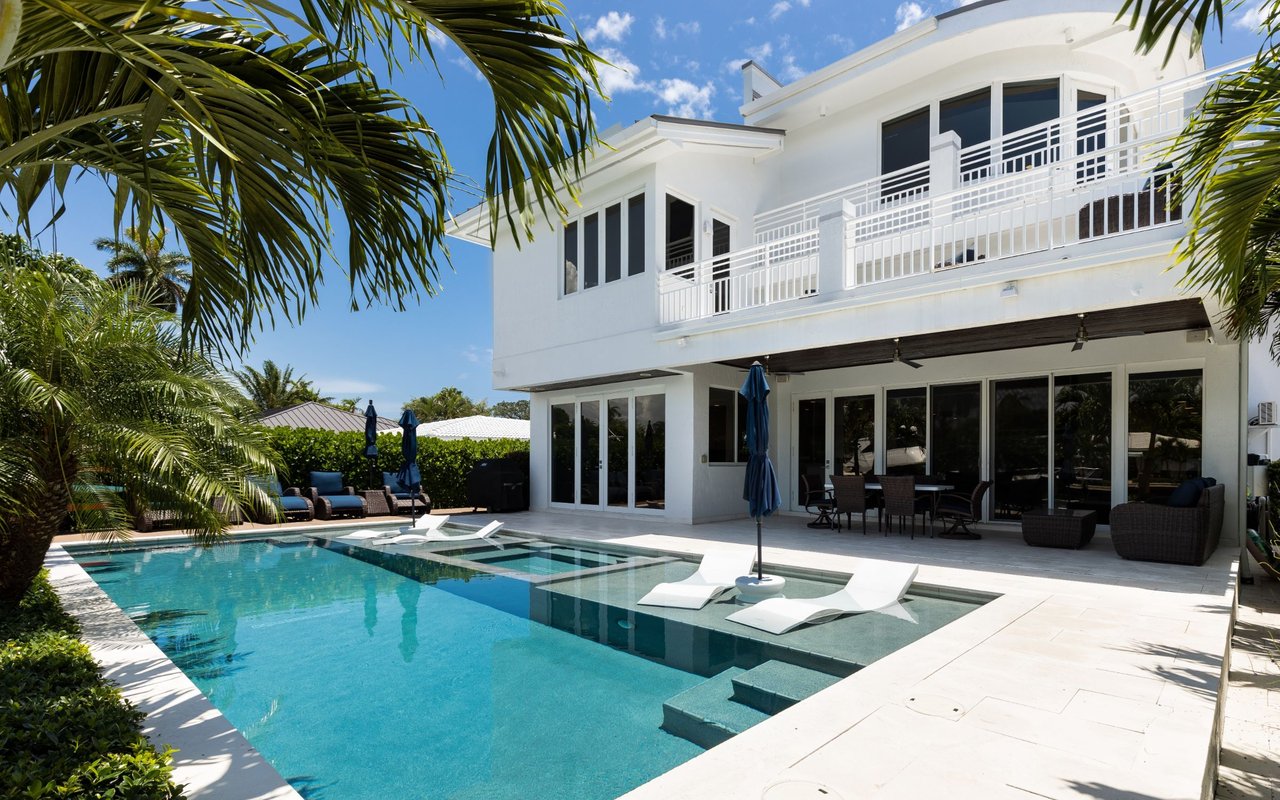

Home valuations give you valuable knowledge that can help you plan for the future and make smart decisions. It’s good practice to stay informed about how much equity you have in your home and how much you may be able to borrow against it or sell it for.
Our tool provides a more robust, accurate assessment than you’ll get from the major real estate portals. For the most precise valuation, reach out to discuss a customized Comparative Market Analysis or an appraisal.
A home valuation determines the current market value of a residential property. It is crucial for real estate transactions, preventing excessive borrowing and financial losses. When getting a mortgage, the home acts as collateral. If the borrower defaults, the lender may sell the property to recover funds. A thorough home valuation safeguards the lender's ability to recover costs if the mortgage is not fully repaid.
The value of your home is calculated using a combination of factors including its location, age, size, condition, any improvements or renovations made, and recent sale prices of comparable homes in the neighborhood. It also factors in current market trends and local market conditions. The valuation tool is dynamic and can be influenced by data such as inventory trends, interest rates, and current buyer sentiment.
Online home valuations provide a good starting point and offer a general estimate of your property’s worth. However, they may not factor in recent renovations, unique features, historical value, architectural significance, and subjective market perception that could impact your home’s actual market value. For the most accurate assessment, consider scheduling an in-person appraisal.
Browse Our Market Listings
Two Accurate Ways to Perform Home Valuations
MARKET ANALYSIS
A Comparative Market Analysis (CMA) is a tool used by real estate agents to value a home. It evaluates similar homes that have recently sold in the same area. Agents find comparable sales and use them to conduct a sales comparison. In most cases, an agent will find three homes that have recently sold and are as similar to and located as close to the home being valued as possible. Each one is then analyzed to pinpoint differences between it and the home being valued. Once these differences are priced out, the price of each comp is adjusted to see what it would cost if it was identical to the home being valued were it to be sold in the current market.
APPRAISALS
An appraisal is an unbiased valuation of a home based on a professional’s opinion. They are usually what mortgage companies use for home purchases and refinances. A lender usually orders a home appraisal and the cost of the appraisal, sometimes up to $500, is paid by the homeowner. An appraiser does a complete visual inspection of the interior and exterior of the home as well as taking into consideration recent sales of similar properties and market trends. The appraiser then compiles a detailed report on the home, including an exterior building sketch, a street map showing the home and any comparable sales, photos of the home and street, an explanation of how the square footage was calculated, and any other relevant information.
Situations When a Home Valuation May Be Necessary
REFINANCING
Lenders base the amount of their loans on the value of your property and usually allow you to borrow a maximum of 75% to 96.5% against your property. Knowing what your home is worth allows lenders to calculate your equity in the home. The more equity you have, the better terms you will receive on your refinance.
HOME IMPROVEMENTS
If you’re doing home improvement projects to increase the resale value, you want to make sure you’re not pricing it out of the market. If your home is already priced on the high-end for your neighborhood, making too many improvements could make it more difficult to sell. When you get a valuation, you can see how your home compares with others in the neighborhood and let this guide your home improvement decisions.
QUALIFYING FOR CREDIT
If you want to borrow cash against your home, getting a Home Equity Line of Credit (HELOC) could be a good option. To qualify, you must have a certain level of equity in your home. Most lenders require at least 20%. Getting a home valuation will help you determine if you qualify and will be used by the lender to make a decision on your loan.
PLANNING
Though it’s not a necessity, simply knowing the value of your home is good information to have. It will help you plan for the future and deal with unforeseen circumstances when you might be in a position that requires extra money or a quick relocation. Knowing how much equity you have in your home and how much you may be able to borrow against it or sell it for will help you respond to any financial curveballs that life throws at you.
For anyone selling a home in Deerfield Beach, FL, the median home price sits at around $310,000 right now. That number is useful as a starting point, but your specific house could land well above or below it depending on exactly where it is and what condition it's in.
Getting a precise valuation here means looking past broad regional averages. Pricing a home in this part of South Florida involves weighing things like hurricane-impact upgrades, specific HOA fees, and whether the property sits east or west of Federal Highway. Those details move the number more than most sellers expect.
Most homeowners start with an online calculator. These tools pull tax records and recent sales data to spit out a quick figure, and there's nothing wrong with checking one first.
The problem is what they can't do. An algorithm can't walk through your home to see the quality of your finishes or the condition of your roof - and in South Florida, those details aren't minor.
Online tools compare properties that look alike on paper but can differ wildly in reality. A calculator might pull a recent sale from ZIP code 33442 and apply that price per square foot to a home in 33441, completely ignoring the premium buyers pay to be closer to the ocean.
They also routinely miss community assessments. If your building just passed a major special assessment for concrete restoration, that won't appear anywhere in an algorithm's output.
A Comparative Market Analysis - a CMA - is a manual review of recent sales, active listings, and expired properties in your immediate area. An agent looks at homes that match your property's size, age, and style, not just whatever the algorithm grabbed.
The process also adjusts for your specific features. Full impact glass and a newer AC unit add real value, and a well-done CMA reflects that.
The median sale price for a home in Deerfield Beach is right around $310,000. That figure covers the full mix - single-family homes, townhouses, and condominiums across the entire city.
Over the past year, median prices have trended upward by about 8.7%. Homes are currently selling for roughly 95% of list price, which tells you that sellers who price correctly are capturing most of what they're asking.
The median price per square foot in the area was recently tracked at $241. That number shifts depending on the property type and the specific neighborhood - it's not a figure you'd apply uniformly across the city.
Single-family homes generally command a higher price per square foot than older condominiums. Reviewing recent sales of similar property types gives you a much cleaner read on current values than any citywide average.
Deerfield Beach tends to offer a more accessible entry point than neighboring cities in Broward County. Buyers looking near the water frequently find better pricing here than they will in Fort Lauderdale or Pompano Beach.
That relative affordability keeps demand steady - it appeals to year-round residents and seasonal buyers alike.
Real estate here is segmented by geography. Properties east of US-1 carry different price tags than those further inland near the Turnpike, and the gap isn't subtle.
ZIP codes 33441 and 33442 split the city, and each contains distinct neighborhoods with their own pricing trends. A neighborhood-level view is the only way to accurately gauge what a home is worth.
The Cove is one of the most prominent neighborhoods in East Deerfield Beach. Homes here often feature deepwater canal access with no fixed bridges, and that commands a real premium.
Recent data shows median prices in The Cove frequently exceed $823,000, with average sale prices hovering around $930,000 depending on the specific location and water frontage.
Further west, Deer Creek is built around a different draw - an 18-hole championship golf course. The area features a mix of single-family homes, villas, and condos.
Median sale prices in Deer Creek recently sat around $405,000, with average sale prices often reaching $498,000 for properties with prime golf course views.
Century Village is a large 55+ condominium community with resort-style amenities at a lower price point. It's a popular option for seasonal residents.
Average sale prices there generally sit near $120,000, with a price per square foot around $132. That makes it one of the most accessible options in the city.
Beyond neighborhood boundaries, specific property features dictate what a buyer will pay. South Florida buyers prioritize convenience, protection, and recurring costs - sometimes in that order.
Two otherwise identical homes can sell for very different prices if one has a newer roof and the other needs immediate work. Knowing what drives value here helps sellers position their properties without guessing.
Proximity to the water is the primary driver. Homes within walking distance of the Deerfield Beach Pier or the Intracoastal Waterway draw consistent buyer interest - even in a slower market.
And even if a property isn't directly on the water, being east of Federal Highway adds to the baseline value. Buyers pay for the coastal lifestyle whether or not they have a water view.
High monthly HOA fees reduce a buyer's purchasing power, which directly affects what they'll offer for your home. Properties with low or no HOA fees tend to sell faster.
Storm protection matters just as much. Homes with complete hurricane-impact windows and doors sell for more - they offer buyers immediate peace of mind and lower insurance premiums, which is a combination that resonates in this market.
The local market currently holds about 728 active listings, which translates to roughly 5.6 months of supply. Five to six months is generally considered balanced - it doesn't favor buyers or sellers.
Homes are spending a median of 95 days on the market before going under contract. That's worth knowing before you list.
Ninety-five days is the median, which means sellers should realistically plan on about three months from listing to an accepted offer. Pricing correctly from day one is the most reliable way to trim that timeline.
Only about 6% of homes are selling above list price right now. Buyers are negotiating, and sellers should expect to review offers that come in somewhat below their initial asking amount.
A professional valuation gives you the data you need to make a real decision. Relying solely on an automated estimate can leave money on the table - or leave your home sitting unsold while you wonder what went wrong.
A local agent will review your property's specifics, compare them to the latest MLS data, and give you a realistic price range to work from.
Your CMA will outline recent closed sales, active listings you'll be competing against, and properties that failed to sell. That comparison tells you exactly what buyers are currently willing to pay.
It will also factor in your specific upgrades, the condition of major systems, and the neighborhood nuances that no algorithm is going to catch.
Once you've reviewed the valuation, you can decide whether the current market aligns with your financial goals. If the numbers make sense, the next step is getting the home ready for photos and showings.
That means addressing minor repairs, decluttering, and working with your agent on a pricing strategy that targets the right buyer pool.
It depends entirely on location, size, and condition. The city's median sale price is around $310,000, but waterfront homes in The Cove can exceed $823,000, while condos in Century Village often sell closer to $120,000.
They give you a rough baseline, but they frequently miss the mark in South Florida. They can't account for specific HOA assessments, recent hurricane-impact upgrades, or the actual condition of a property.
Recent market data puts the median sale price at approximately $310,000. The median price per square foot is roughly $241, though that varies widely by property type.
It can be, if your property is priced correctly. With about 5.6 months of supply, the market is relatively balanced, and homes are selling for roughly 95% of list price.
Location is the biggest one - specifically proximity to the Intracoastal Waterway and the beach. Monthly HOA fees, storm protection upgrades, and the condition of major systems all play a significant role as well.
Neighborhoods east of US-1 generally hold the highest values. The Cove is one of the most expensive areas in the city, with median prices often exceeding $823,000 due to deepwater canal access.
No. Most local real estate agents provide a Comparative Market Analysis at no cost. It's a starting point for discussing your selling goals and putting together a pricing strategy.